


Streaming services are more popular than ever, and despite screen fatigue from attending so many work and social activities online, Massive Open Online Courses or MOOCs are experiencing a surge in enrollment. Listed here are a number of courses for lawyers and/or those interested in the law.
Read moreWord Up: Top Terms of 2020

Image by 🎄Merry Christmas 🎄 from Pixabay
According to Google’s 2020 Year in Search, the most common queries of the year sought answers to the question of why. From washing hands to cutting hair to baking bread, many of our searches also asked how to. Other inquiries sought to understand what and when. From NBA stars and Hollywood celebrities to civil rights leaders, United States Supreme Court justices, and victims of tragic loss, the names of the people with whom we share this increasingly fragile planet also topped our searches.
Read moreEx Libris Juris: Blogging with the Best in 2020
Texas Bar Today, a publication of the State Bar of Texas, selects their Top Ten Blog Posts on a weekly basis. Ex Libris Juris, the official blog of the Harris County Law Library, was featured eleven times in 2020 on this top ten list. Select “Read More” to see them all!
Read moreTexas Forever: The 175th Anniversary of the Annexation of Texas

Today, we celebrate the 175th anniversary of the Annexation of Texas, a.k.a. the day the Republic of Texas became number twenty-eight of these United States.
Read moreEggnog Legalese: What are You Drinking?
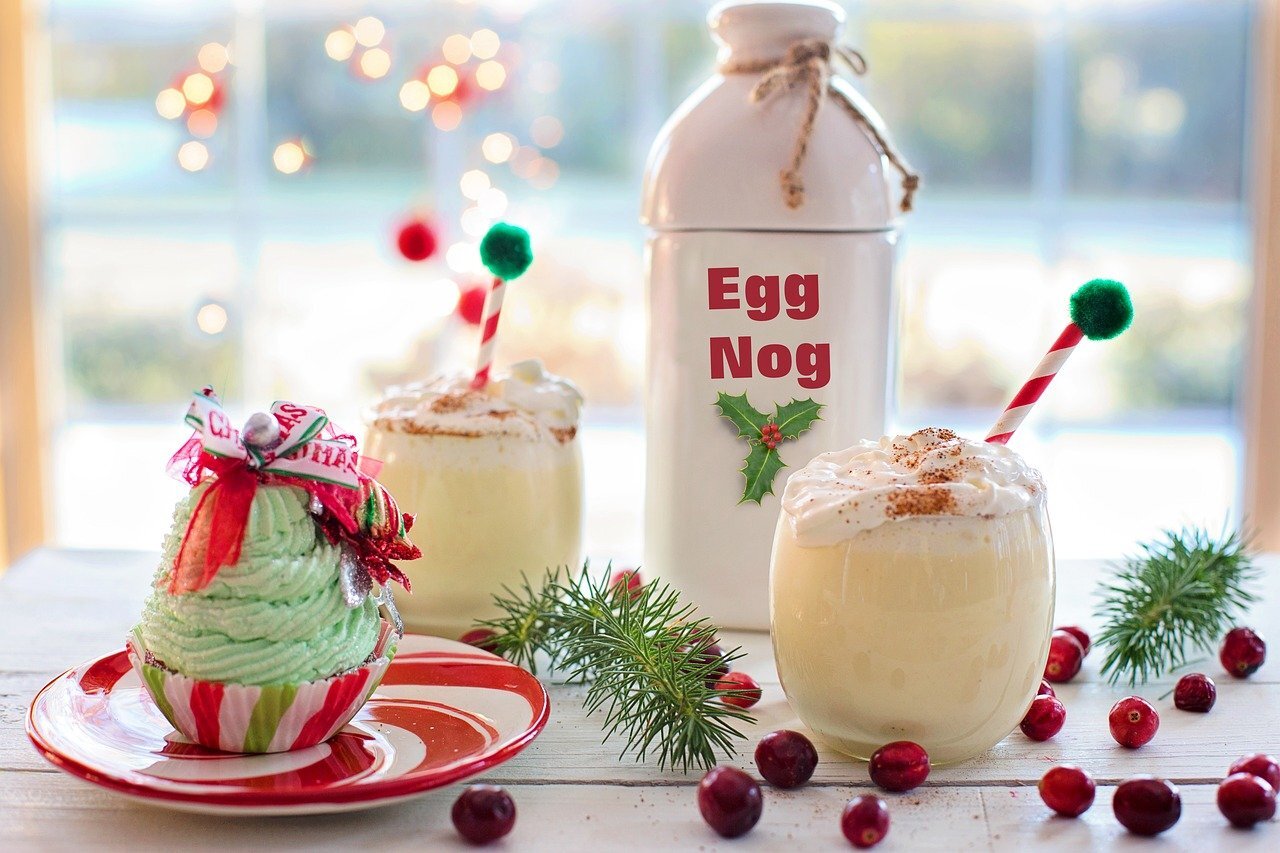
Image by Jill Wellington from Pixabay
Tomorrow, December 24, is National Eggnog Day. While the origins of both the drink and its name are unclear, eggnog enjoys some popularity in the United States during the fall and winter seasons—although, some love it and some love to hate it.
In the United States, the Food and Drug Administration (FDA) has issued a regulation and guidance on the composition of eggnog. For instance, 21 C.F.R. §131.170 stipulates that eggnog contains specified: (1) dairy ingredients, (2) egg yolk-containing ingredients, and (3) nutritive carbohydrate sweeteners. The guidance further states that: “Eggnog is a milk product consisting of a mixture of milk or milk products of at least 6.0 percent butterfat, at least 1.0 percent egg yolk solids, sweetener, and flavoring. Emulsifier and not over 0.5 percent stabilizer may be added.” It also differentiates “eggnog” from “eggnog flavored milk,” which has lower allowances for butterfat and the other ingredients.
Interestingly, 21 C.F.R. §131.170(e)(4) only allows for “[c]olor additives that do not impart a color simulating that of egg yolk, milkfat, or butterfat.” In addition, the FDA guidance indicates that adulterated foods are not in compliance with the Federal Food, Drug, and Cosmetic Act and plainly states that: “The addition of yellow color may serve to adulterate the products under 403(b) of the Act since the use of such color would make the article appear to contain more egg yolk than it actually contains.” [For a lively take on the blatant occurrence of this “adulteration,” see Patrick Di Justo’s article here.]
In related news, Texas and some other states prohibit the sale of alcohol on Christmas day, so if you like some spike in your eggnog, plan ahead accordingly.
Further Reading
A Brief History of Eggnog - Mental Floss
Eggnog - Wikipedia