


All of the major cellphone carriers — AT&T, Verizon, and T-Mobile — are planning to shut-down their older 3G networks this year. Millions of people in the United States who use 3G phones and other 3G devices will be unable to text, make calls, or even reach 911. If you are currently relying on a 3G network for your devices – phones, home security systems, vehicle navigation services, personal medical alert devices, or some e-readers – you will be affected by this change. To encourage the transition to newer devices, some service providers are offering substantial discounts and/or trade-in options on new smartphones. However, even discounted phones may be financially out-of-reach for many users. Marginalized or low-income users and the elderly, as well as rural and prepaid mobile customers, will feel the impact of this change.
Read moreCents and Sensibility: U.S. Currency Design Law and Procedure
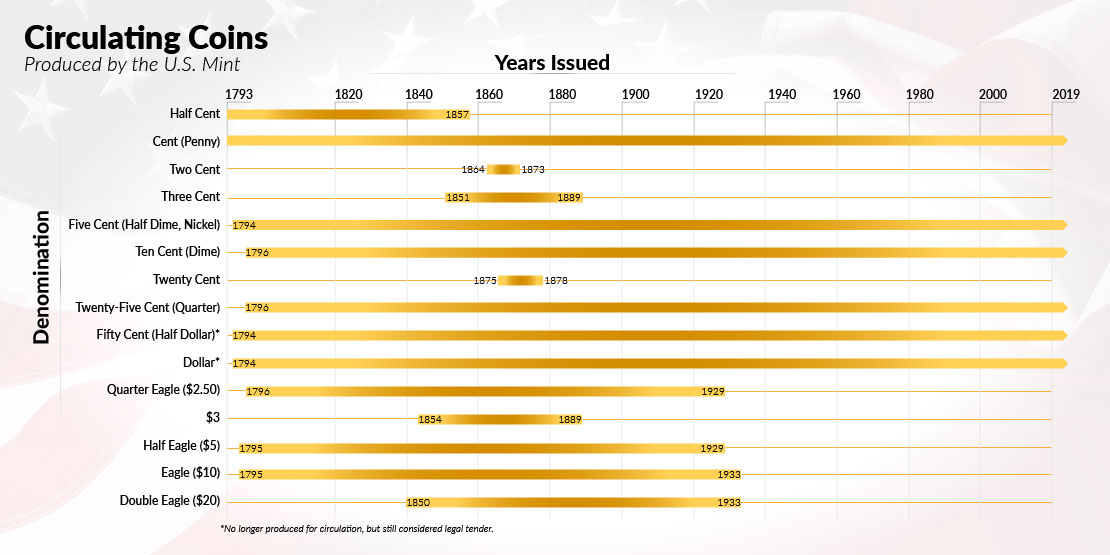
U.S. currency is periodically redesigned to mitigate counterfeiting threats. The Coinage Act, passed by Congress on April 2nd, 1792, created the first national Mint in Philadelphia, and established a national currency system. The last two hundred years has seen many changes to the design of our paper money and coins.
Read moreBlack Health & Wellness: Five African Americans Who Significantly Impacted Public Health

Yesterday marked the beginning of Black History Month, and the theme for 2022 is “Black Health and Wellness.” Today’s blog post focuses on five African Americans who have had a significant impact on public health, despite working “in a system which historically subjugated and exploited black Americans” and “denied access to the very systems and institutions that they helped improve.”
Read moreFree Virtual CLE - 80 Years Later: The Legacy of Japanese American Incarceration and Korematsu v. The United States

Join us Thursday, February 17, 2022, for a virtual CLE called “Free Virtual CLE - 80 Years Later: The Legacy of Japanese American Incarceration and Korematsu v. The United States.” This program begins with a screening of “Alternative Facts: The Lies of Executive Order 9066,” a one-hour documentary about the false information and political influences which led to the World War II incarceration of Japanese Americans. This documentary also depicts the process undertaken to overturn Fred Korematsu’s conviction for violating an internment order in Korematsu v. The United States. After the screening, panelists will discuss the making of the film, the history of Korematsu v. The United States, the role of state judiciaries in protecting individual rights, and the importance of civic engagement. CLE Credit (Texas): 2.0 hours of MCLE; 1.0 hour of Ethics
Read moreDiversity in the Courts
Today, following Justice Stephen Breyer’s announcement that he will retire at the end of the current term, the conversation surrounding his replacement is focused on diversity. Whoever President Biden nominates to fill the upcoming vacancy on the Court, one thing is clear – the federal court system is designed to be impartial and just. Appointing judges who reflect the lives, values, and experiences of the parties that come before the court is fundamental to a system that honors the spirit and traditions of the judicial body.
Read more